
Ria Portfolio Performance – April 2026

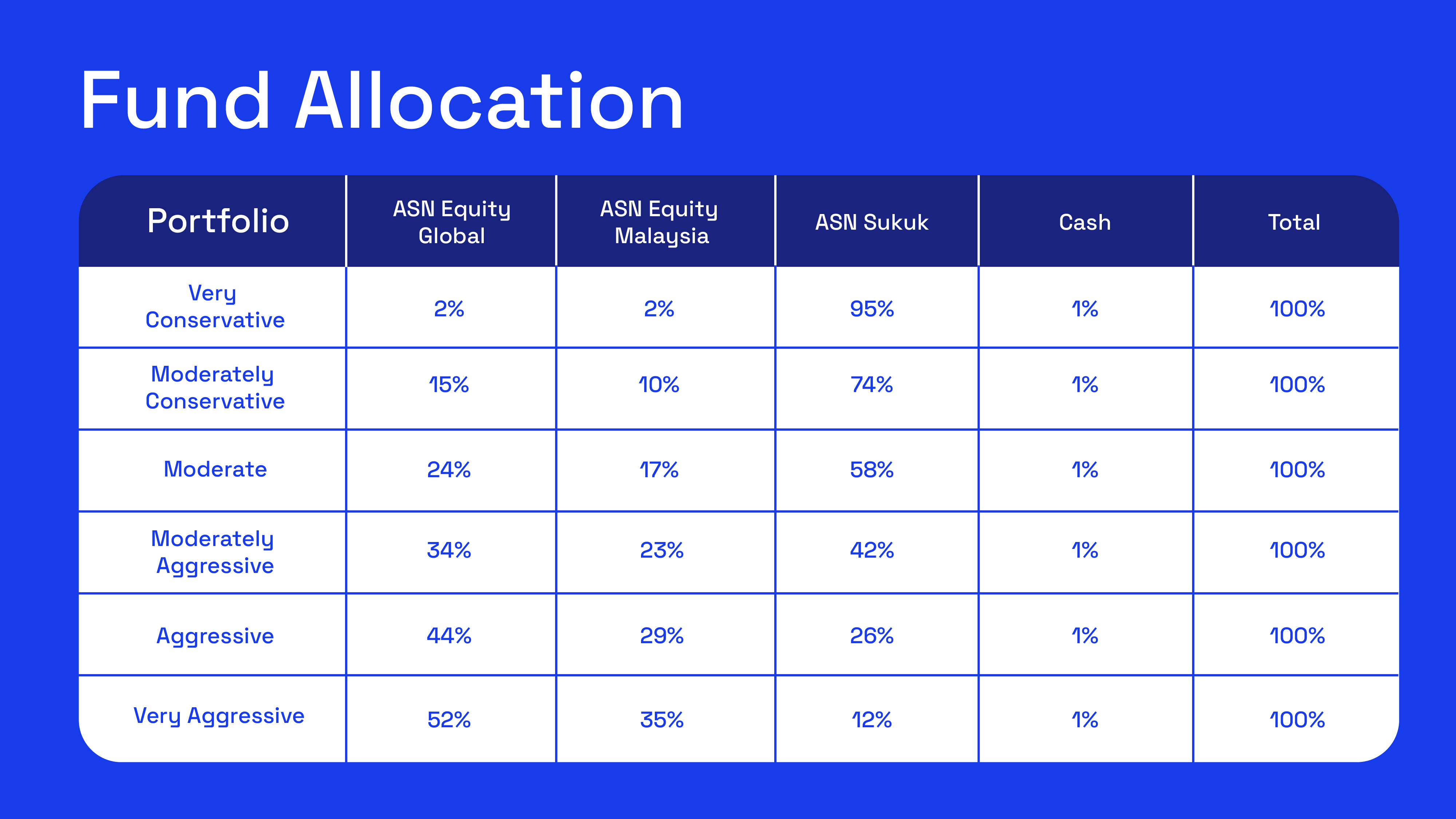
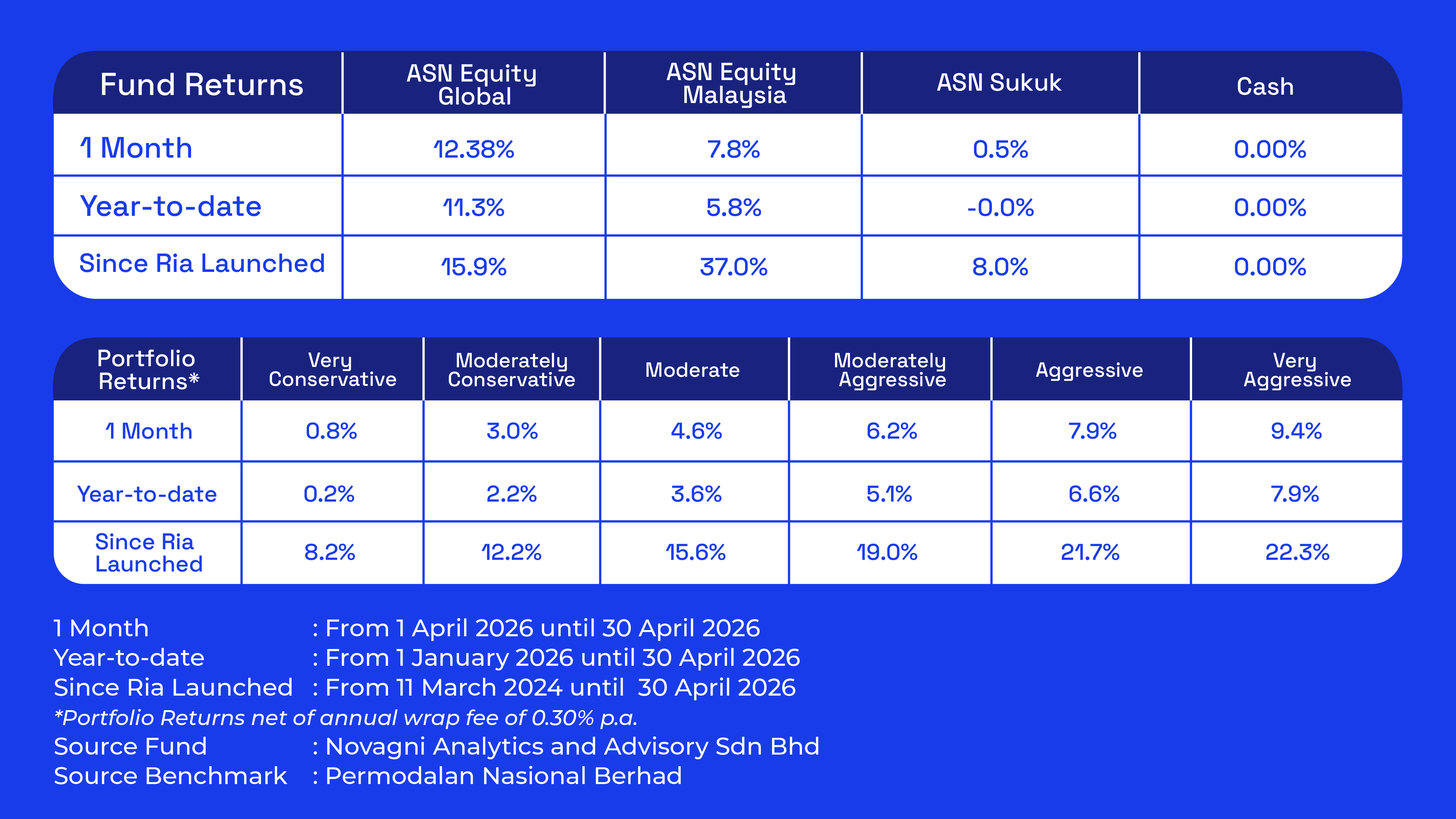
For April 2026, market sentiment improved following the volatility seen in the previous month, leading to a strong recovery across equity markets. ASN Equity Global and ASN Equity Malaysia rose by 12.8% and 7.8%, respectively, while ASN Sukuk remained relatively stable with a positive return of 0.5%.
Consequently, all portfolio risk profiles recorded positive returns during the month, supported by the rebound in equity markets. Portfolios with higher equity exposure outperformed, with the Very Aggressive and Aggressive portfolios delivering returns of 9.4% and 7.9%, respectively, compared to a more moderate return of 0.8% for the Very Conservative portfolio.
The strong recovery in April also lifted year-to-date performance across all portfolios back into positive territory. The Very Aggressive portfolio recorded a year-to-date return of 7.9%, while the Very Conservative portfolio posted a lower but more stable return of 0.2%.
Since launch, portfolios with higher equity exposure have continued to deliver stronger cumulative returns, with the Very Aggressive and Aggressive portfolios recording returns of 22.3% and 21.7%, respectively, compared to 8.2% for the Very Conservative portfolio.
Overall, portfolio performance in April 2026 reflected the improvement in market sentiment, with growth-oriented portfolios benefiting more strongly from the rebound in equity markets, while conservative portfolios continued to provide relatively stable and defensive returns.
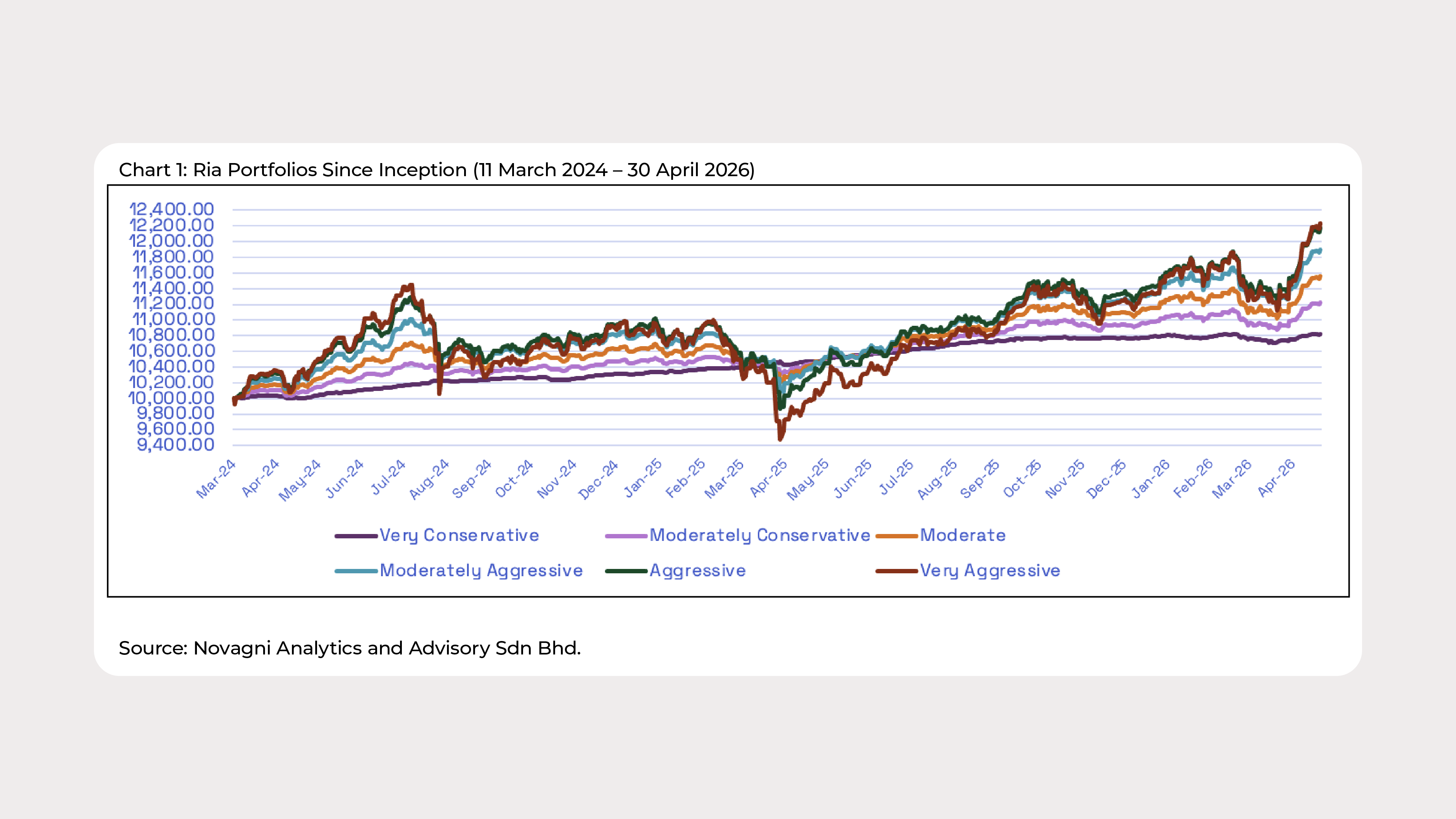
Chart 1: Ria Portfolios Since Inception (11 March 2024 – 30 April 2026)
Market Commentary – April 2026
EQUITY MARKET
April 2026 saw a strong recovery across global equity markets as investor sentiment improved following the volatility experienced in the previous month. US equities rebounded during the month, with the S&P 500 (SPX) rising 8.36% in MYR terms, supported by improving market sentiment and easing concerns over geopolitical tensions. Global equities similarly recovered, with the MSCI World Index (MXWD) gaining 8.09% in MYR terms. European markets also recorded positive performance in April. The UK’s FTSE 100 (UKX) rose 3.06%, while France’s CAC 40 and Germany’s DAX gained 4.07% and 6.73%, respectively, as investor confidence improved amid stabilising market conditions and easing concerns over geopolitical tensions.
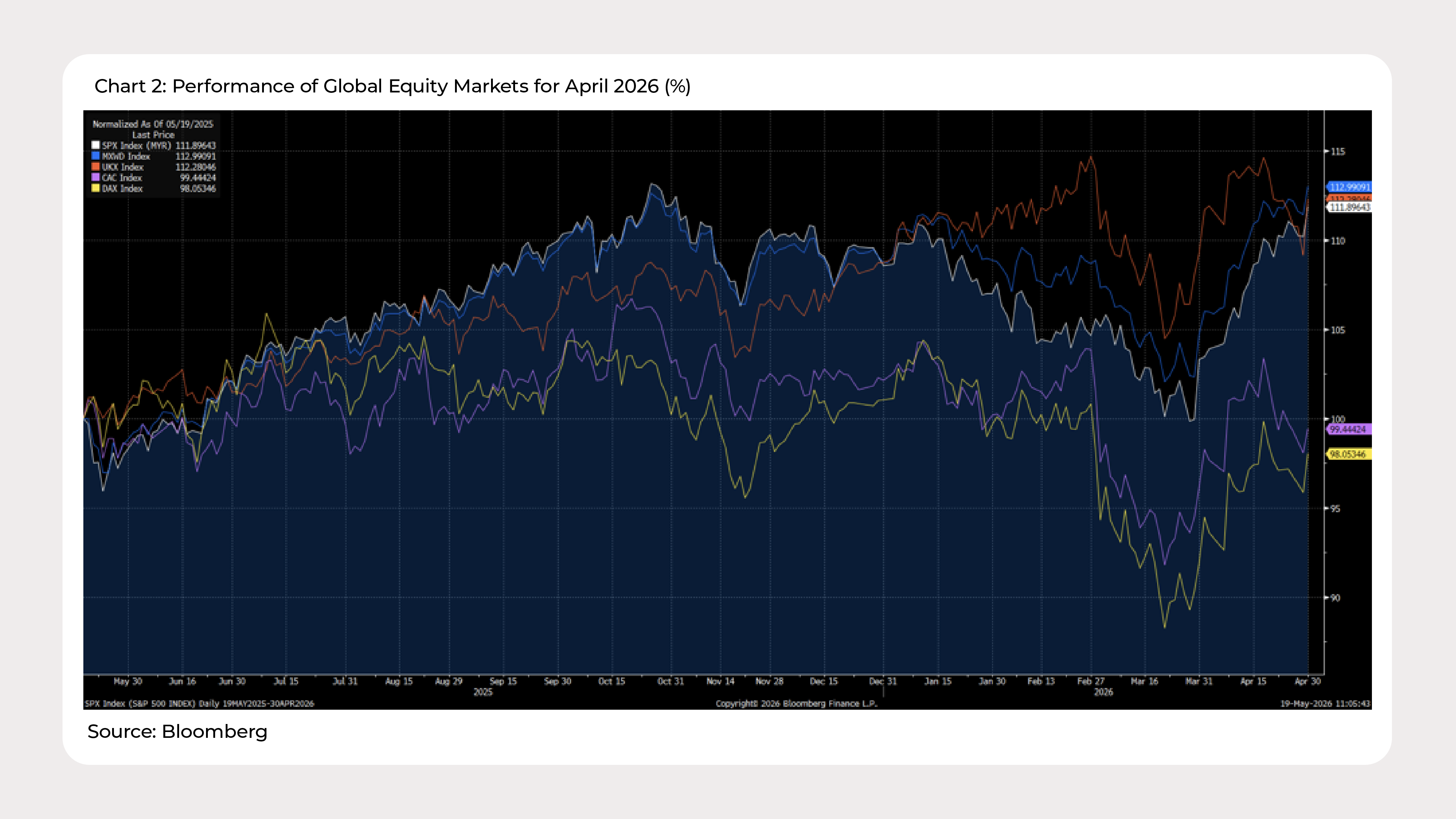
Chart 2: Performance of Global Equity Markets for April 2026 (%)
Asian equity markets showed mixed performance in April 2026 as investor sentiment gradually improved following the heightened volatility seen in the previous month. Japan’s Nikkei (NKY) rebounded strongly, rising 15.59% in MYR terms, supported by improving risk appetite and recovery in export and technology-related sectors. Hong Kong’s Hang Seng Index (HSI) also recorded a positive return of 2.14%, reflecting improved sentiment towards Greater China equities. Performance across Southeast Asia remained mixed during the month. Malaysia’s FBMKLCI gained 1.93%, supported by improved domestic investor sentiment and strength in selected defensive sectors. Thailand’s SET Index rose 2.48% as regional market conditions stabilised. Meanwhile, Singapore’s STI remained relatively flat during the month, posting a modest gain of 0.73%, reflecting more muted performance across defensive sectors. Indonesia’s JCI underperformed regional peers, declining 4.76% amid relatively weaker investor sentiment and ongoing currency pressures.
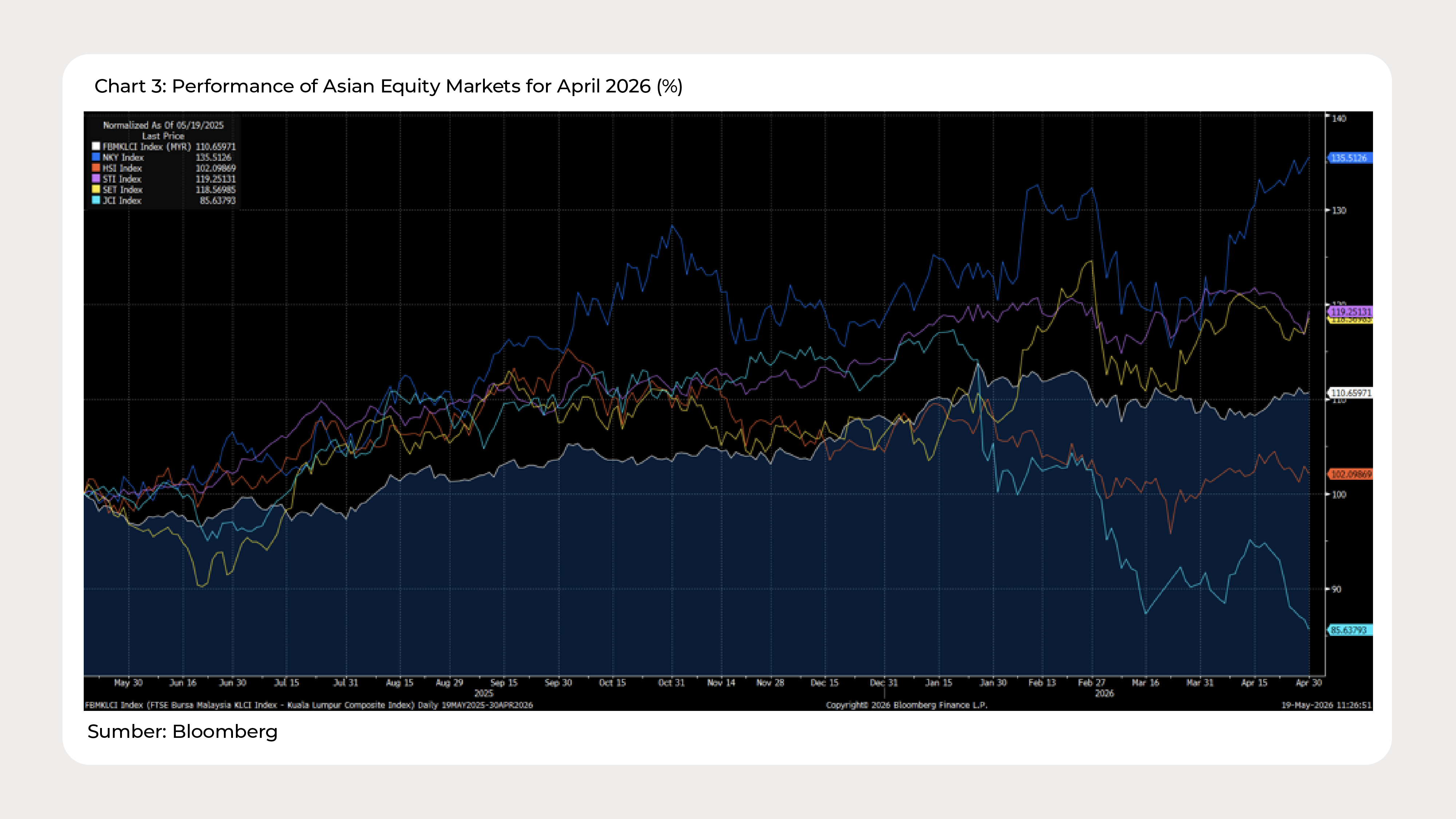
Chart 3: Performance of Asian Equity Markets for April 2026 (%)
MALAYSIA BOND MARKET
Foreign investors continued buying Malaysian bonds in April, although at a slower pace compared to March. Total net foreign inflows into the bond market stood at RM3.8 billion, mainly supported by stronger interest in corporate bonds. Foreign inflows into corporate bonds reached RM3.7 billion during the month, marking the highest monthly inflow since 1999 and extending the strong momentum seen in March. Meanwhile, foreign investment in Malaysian Government Securities (MGS) and Government Investment Issues (GII) remained largely unchanged, with only small net inflows recorded during the month. This showed that foreign investors were more focused on Malaysian corporate bonds over the past two months.
In the United States, the Federal Reserve kept interest rates unchanged during its April 2026 meeting as inflation remained elevated and the labour market continued to stay strong. This was the third consecutive meeting without any rate changes since the last rate cut in December 2025. Market expectations also continued to point towards interest rates remaining high for longer, with investors expecting the Federal Reserve to maintain rates in the upcoming June and July meetings.
Following this, the 10-year US Treasury yield increased to 4.40% at end-April from 4.30% at end-March. On the other hand, Malaysia’s 10-year MGS yield eased slightly to 3.61% from 3.66%, supported by stable domestic liquidity and continued demand from local institutional investors. As a result, the yield gap between US Treasuries and Malaysian government bonds widened further during the month and continued rising in May, reaching its widest level since July 2025. This may reduce the attractiveness of Malaysian government bonds to foreign investors, with foreign holdings already showing a slight decline in May.
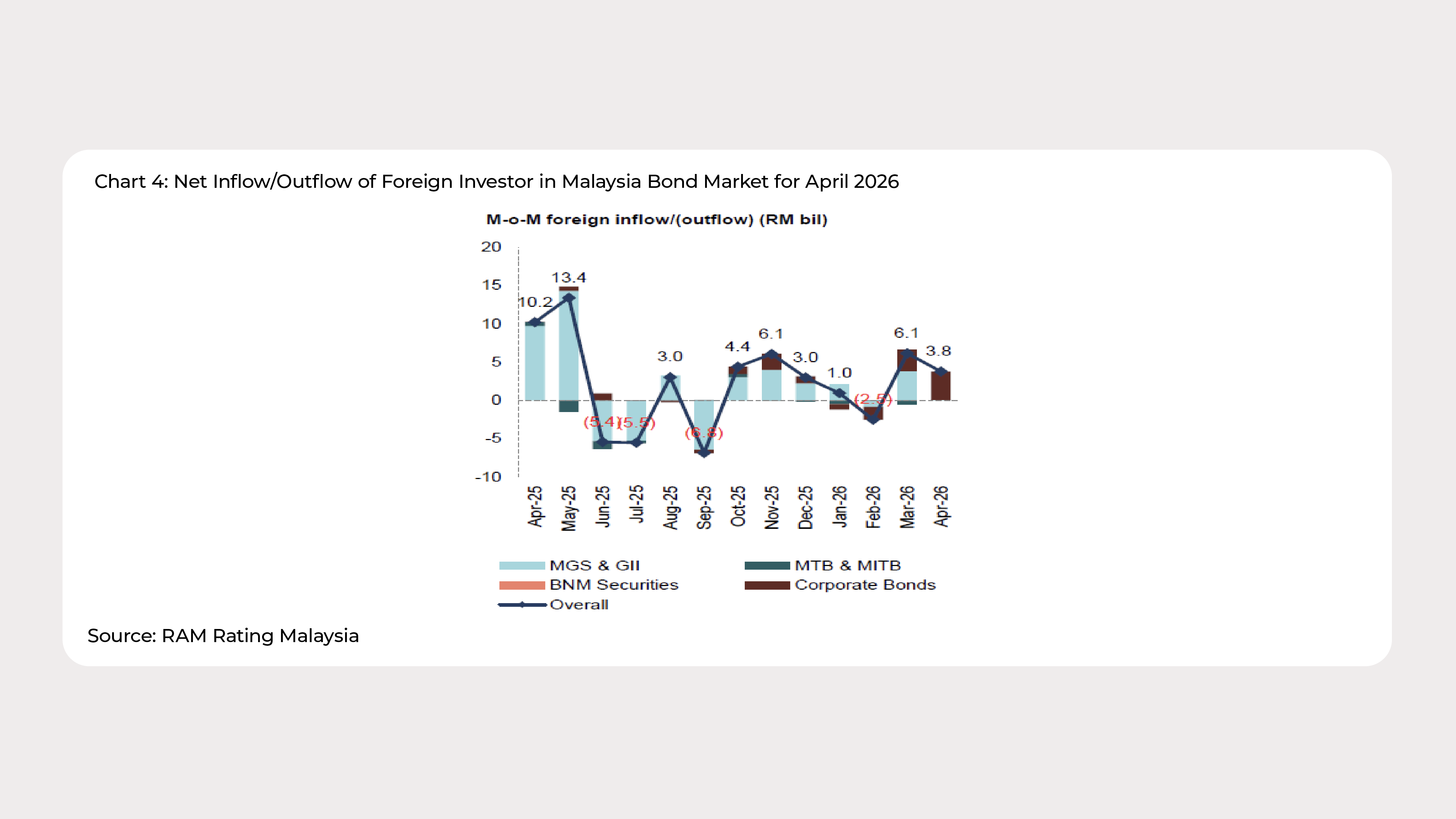
Chart 4: Net Inflow/Outflow of Foreign Investor in Malaysia Bond Market for April 2026
COMMODITY MARKET
Commodity markets were relatively mixed in April 2026 as market conditions stabilised following the heightened volatility seen in the previous month. Precious metals recorded slight declines, with gold and silver falling 2.95% and 3.81% in MYR terms, respectively, as improving market sentiment reduced demand for safe-haven assets. Energy markets remained relatively stable during the month, with crude oil rising 7.54% amid ongoing supply-related concerns and continued geopolitical uncertainties. Meanwhile, digital assets continued to recover strongly, with Bitcoin gaining 10.57%, supported by improving risk appetite and renewed investor interest in higher-risk assets, although volatility within the asset class remained elevated.
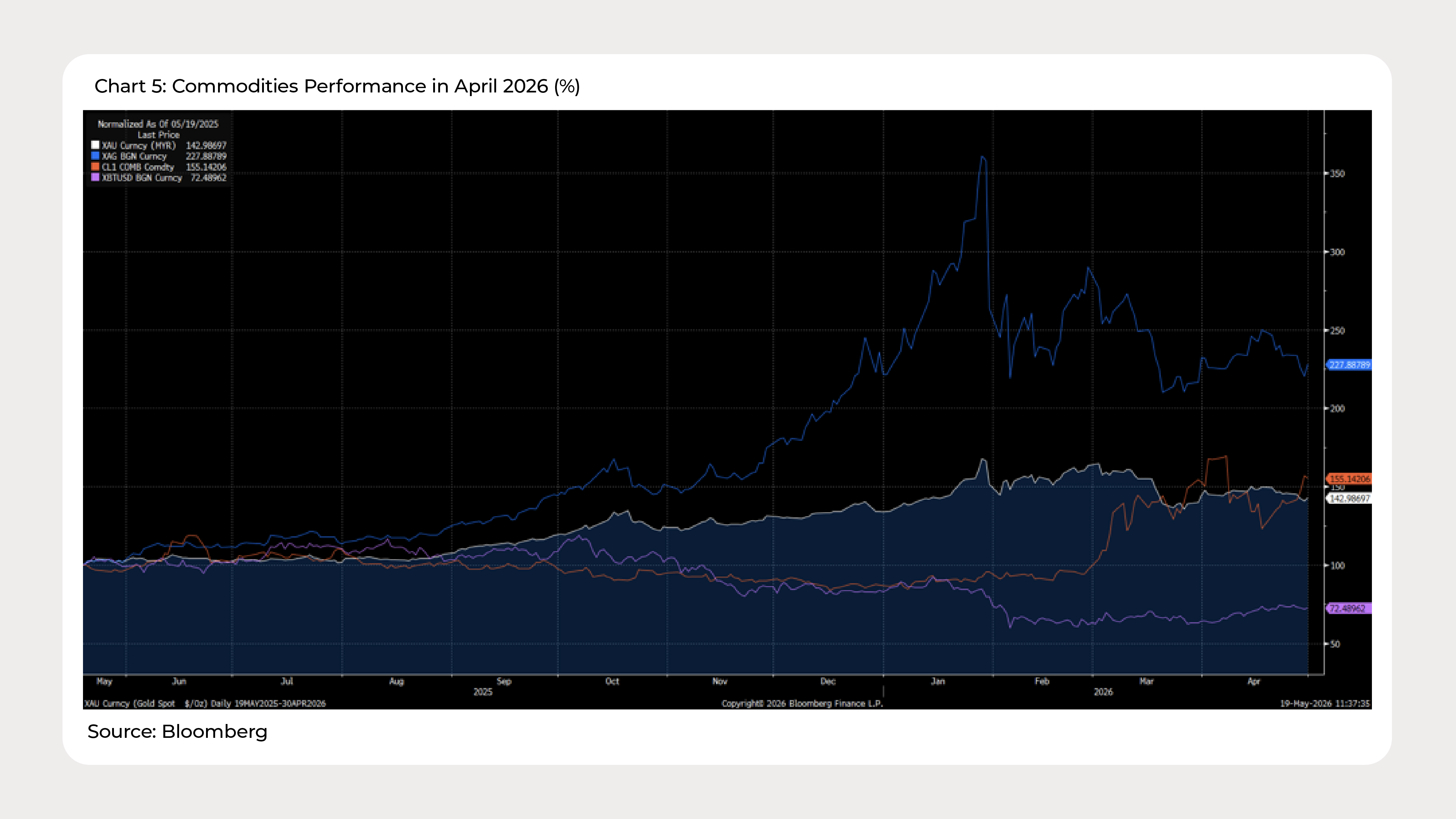
Chart 5: Commodities Performance in April 2026 (%)
SUMMARY
April 2026 reflected an improvement in overall market sentiment following the heightened volatility experienced in the previous month. Recovering risk appetite supported gains across major global equity markets, particularly in the US and parts of Asia, although the strength of recovery varied across regions as investors continued to assess geopolitical developments and global economic conditions. Within Asia, market performances differed across countries, reflecting varying domestic market conditions, investor sentiment, and sector exposures.
Meanwhile, Malaysia’s bond market continued to record positive foreign investor participation during the month, supported mainly by stronger demand for corporate bonds despite a more cautious global interest rate environment. Domestic bond yields also remained relatively stable, supported by steady local institutional demand and stable liquidity conditions.
Commodity markets remained relatively mixed during the month, with oil prices continuing to rise modestly while precious metals softened as demand for safe-haven assets eased. Digital assets also continued to recover, with Bitcoin recording strong gains amid improving risk appetite, although volatility within the asset class remained elevated. Overall, market conditions in April reinforced the importance of maintaining a diversified investment approach across asset classes and regions to navigate evolving global market conditions and varying market performances.
RIA Reminder – Staying Invested Through Market Recovery
April 2026 saw an improvement in overall market sentiment following the heightened volatility experienced in the previous month. Global equity markets rebounded, supported by improving investor confidence and stronger risk appetite, while performances across regions and asset classes remained mixed. The recovery across major global and Asian markets highlighted how market conditions can shift quickly, reinforcing the importance of staying invested with a diversified approach.
Ria portfolios continued to benefit from diversification across different asset classes and regions. As equity markets recovered during the month, portfolios with higher equity exposure participated more strongly in the rebound, while conservative portfolios continued to provide more stable returns through balanced allocations. This diversified approach helps portfolios remain resilient across different market conditions while keeping investors focused on long-term financial goals.
One simple way to stay consistent with your investment journey is through Auto Labur. Once activated, your investments continue automatically regardless of market conditions, whether markets are volatile or performing positively. This helps investors build investing discipline over time without needing to worry about short-term market movements or market timing.
Take a moment to log in to Ria and review how your portfolio performed in April. It may also be a good opportunity to revisit your Auto Labur amount to ensure it continues to align with your financial goals and risk tolerance. Consistent investing over time remains an important step towards building long-term wealth.